

PartB co-founder Jamie Davis shares his insights on cladding system remediation and industry progress
Category:
Insights
Author:
Jamie Davis, PartB Group Chief Technical Officer
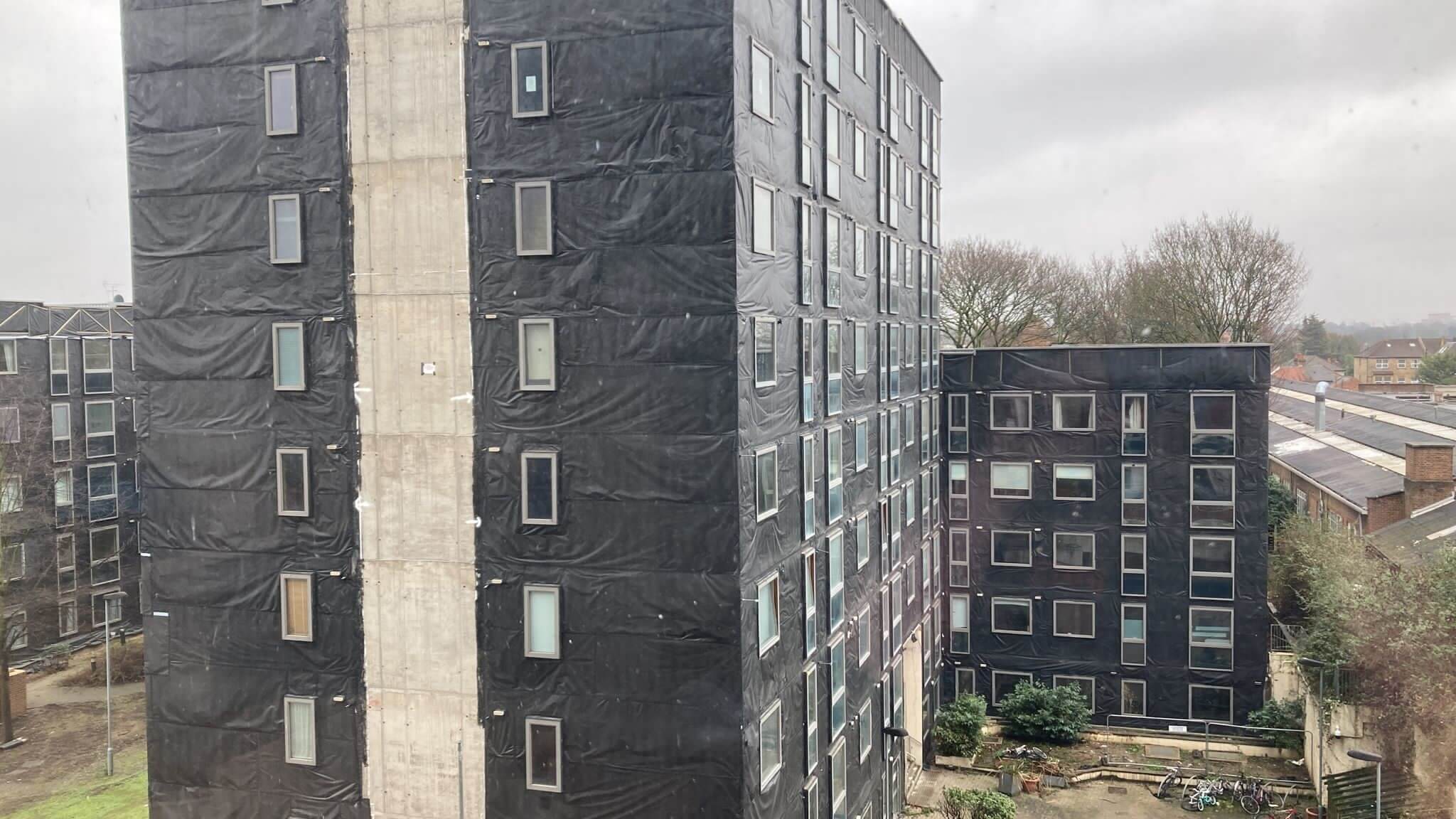
Eight years after Grenfell, the UK construction sector remains under intense scrutiny as it works to remediate unsafe cladding systems across thousands of buildings. Despite regulatory reform, funding programmes, and technical guidance, the question persists: are we any closer to full compliance?
Government data from early 2025 suggests mixed progress. Over 5,000 residential buildings above 11 metres have been identified with unsafe cladding. While nearly half have started or completed remediation, only a third have fully completed works. The mid-rise and social housing sectors continue to lag, hindered by funding gaps and logistical complexity.
The Building Safety Act and the statutory Duty to Remediate have introduced clearer legal obligations. From 2029, all buildings over 18 metres must be remediated, with mid-rise buildings given until 2031. These deadlines are critical, but they don’t guarantee compliance. Remediation is not just about removing combustible materials; it’s about ensuring replacement systems meet rigorous fire performance standards and are installed correctly.
Technical complexity remains a major challenge. Each building presents unique conditions - non-standard construction details, legacy systems ,and coordination gaps between design and execution, to name a few. Achieving compliance requires more than product substitution; it demands a coordinated design pack, robust certification, and alignment with fire strategy documentation.
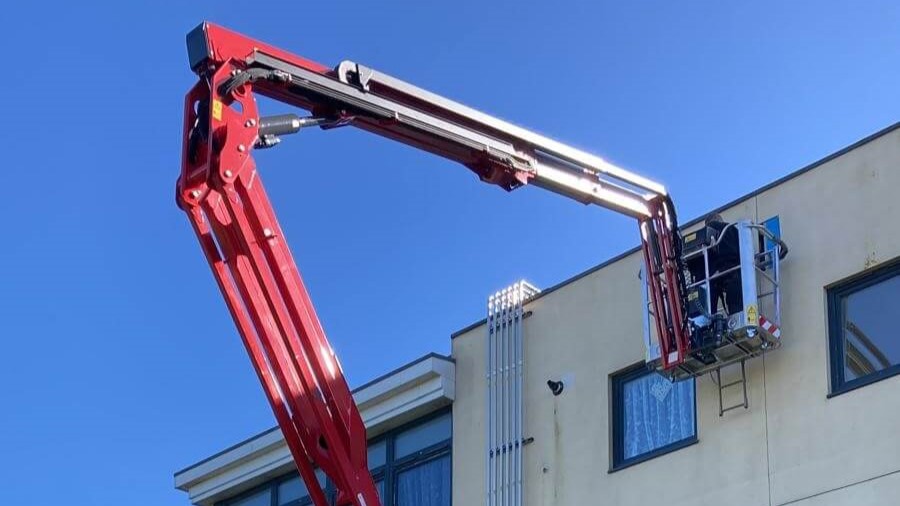
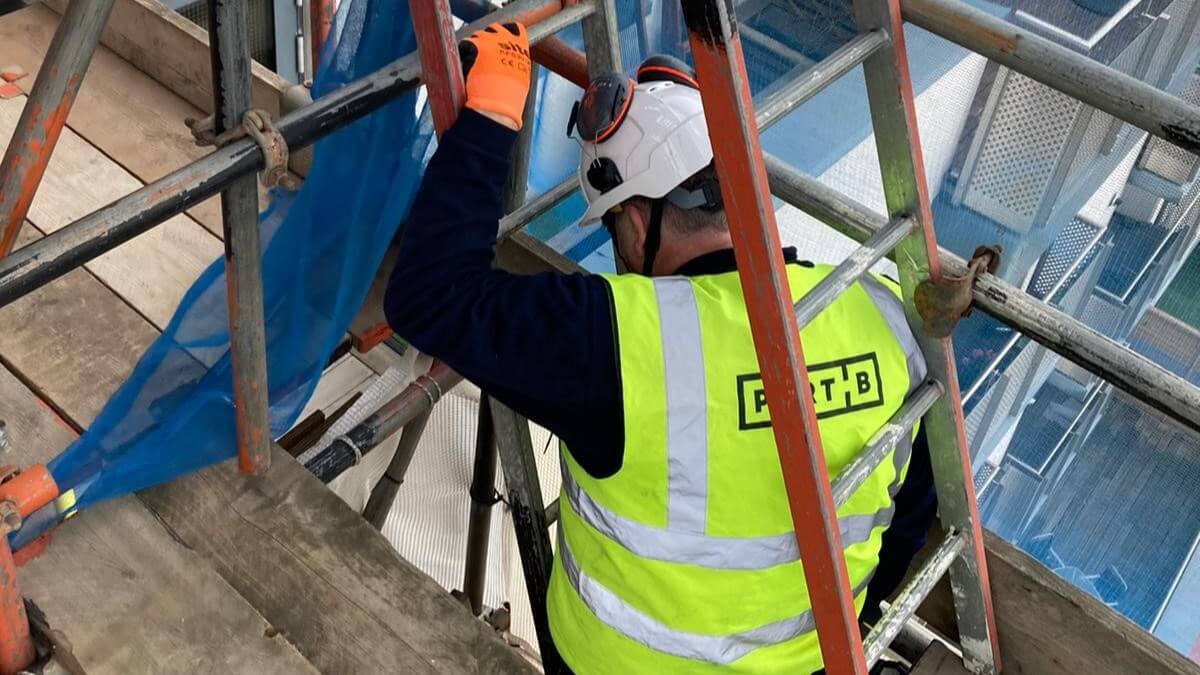
But perhaps the biggest barrier to progress – and the one least discussed - is competence. The sector is now required to demonstrate that those assessing, designing, and installing cladding systems are suitably qualified. Competence is embedded in EWS1 forms, PAS 9980 assessments, Gateway 2 submissions, and the Cladding Safety Scheme. It’s not just a regulatory checkbox, it’s a safeguard against poor decision-making and systemic risk. Ensuring competence means more than holding a title. It requires professional accreditation, peer-reviewed assessments, and traceable documentation. Fire engineers must be able to justify tolerable risk levels, contractors must coordinate with visual documentation specialists to verify installation quality, and developers must ensure that competency statements are embedded in every regulatory submission.
The PartB FPA White Paper reinforces this shift, warning against the "race to the bottom" in design and construction quality. It calls for a cultural reset, one that prioritises safety, transparency, and accountability. Courts are now empowered to pierce the corporate veil and apply liability across the supply chain. The 30-year retrospective liability extension is reshaping how risk is managed and shared.
So, are we closer to compliance? Technically, yes. The frameworks are in place, and the sector is more informed than ever. But practically, the journey is far from over. Compliance is not a milestone, it’s a mindset. It demands rigorous evidence, coordinated design, and demonstrable competence.
As deadlines loom and enforcement tightens, the industry must shift from reactive remediation to proactive assurance. Only then can we say, with confidence, that we are building safer homes for the future.



.png)
.png)